Restore Soft Tissue & Spine works with people experiencing chronic muscle, joint, and nerve-related problems—especially those who have already tried other forms of treatment without lasting relief.
Many of our patients have been dealing with pain for months or even years. They’ve tried physical therapy, disk injury care, injections, medications, or surgery—only to have their symptoms continue or return.
We take a closer look at the soft-tissue and nerve restrictions that may have been overlooked along the way.
Chronic neck pain can make everyday movements like turning your head, working at a desk, exercising, or sleeping comfortably difficult. We evaluate movement, soft tissue, and nerve mobility to identify restrictions that may be contributing to persistent or recurring neck pain.
Persistent back pain can interfere with everything from sitting and standing to exercise, work, and daily activities. We assess movement, soft tissue, and nerve mobility to identify restrictions that may be contributing to ongoing pain, stiffness, or limited movement.
Shoulder, arm, and wrist symptoms can result from problems involving muscles, connective tissue, joints, or nerves. A detailed assessment helps determine where movement is being restricted and whether those restrictions correspond with your symptoms.
Hip pain isn't always isolated to the hip joint. Restrictions within surrounding muscles, connective tissues, and nerves can affect mobility and contribute to discomfort during walking, exercising, sitting, or other everyday movements.
Pain that travels from the lower back or hip into the leg may involve irritation or restriction around neural structures. Symptoms can include pain, tightness, numbness, tingling, weakness, or discomfort extending into the leg or foot.
Pins-and-needles sensations, numbness, weakness, or radiating discomfort can indicate irritation involving a nerve. Because adhesion can form around nerves and interfere with their ability to move normally through surrounding tissue, nerve mobility is an important part of our assessment.
Pudendal neuralgia can cause persistent nerve-related symptoms in the pelvic region and can significantly affect everyday comfort and activity. Restore evaluates nerve and surrounding soft-tissue mobility to identify restrictions that may be contributing to irritation.
Persistent headaches, migraines, and jaw-related symptoms can sometimes involve muscular and soft-tissue restrictions around the neck, head, and jaw. Our assessment looks beyond the location of the symptoms to identify restrictions that may be contributing to the problem.
Sometimes the most important “condition” isn’t a diagnosis at all. Restore regularly works with people who continue experiencing pain or restricted movement after:
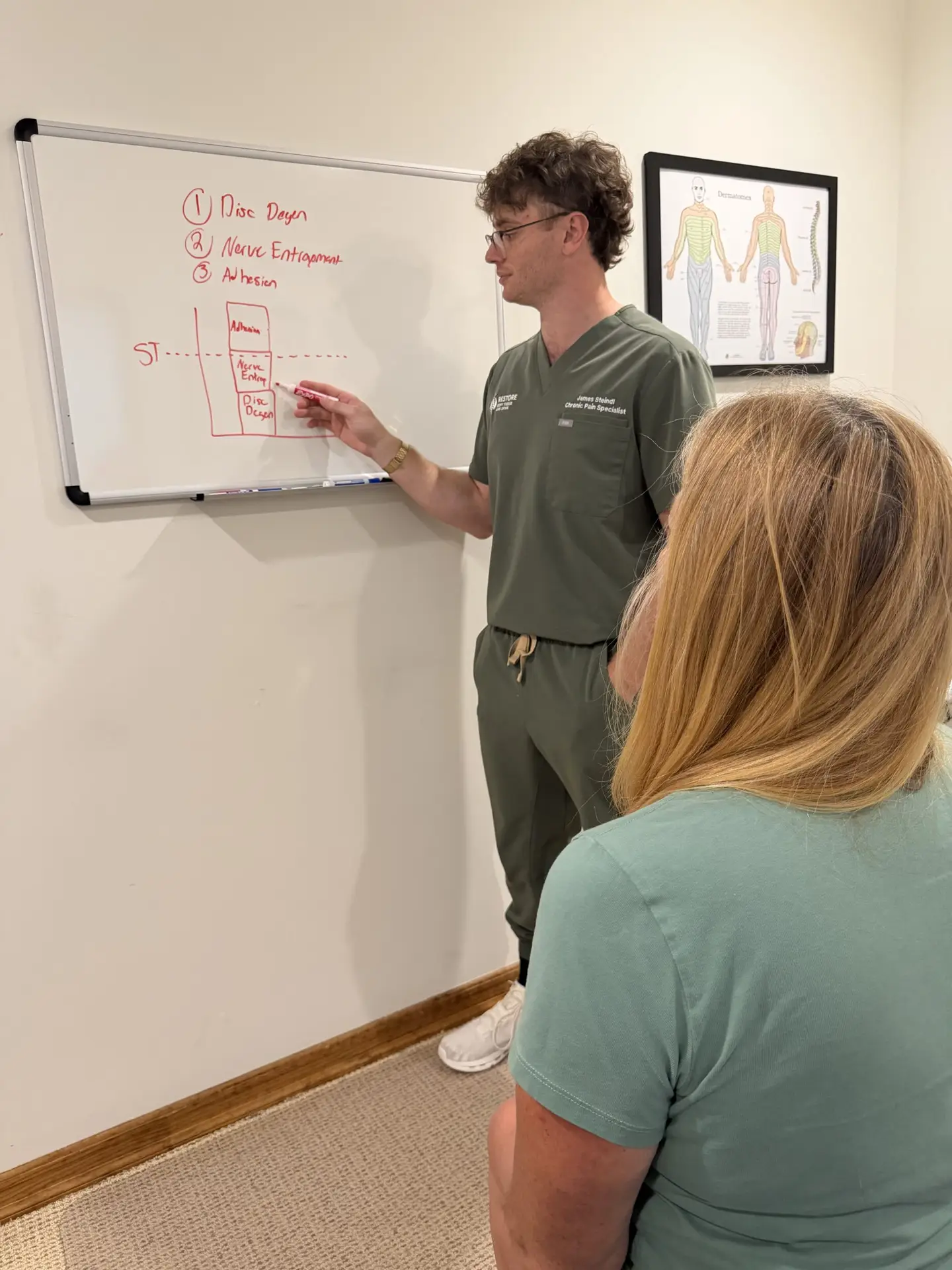
Adhesion can form after injury, repetitive stress, surgery, or inflammation. Once present, it can restrict tissues that should normally move freely and potentially irritate surrounding nerves.
That may help explain why some people experience temporary improvement from other treatments but find that their pain eventually returns.
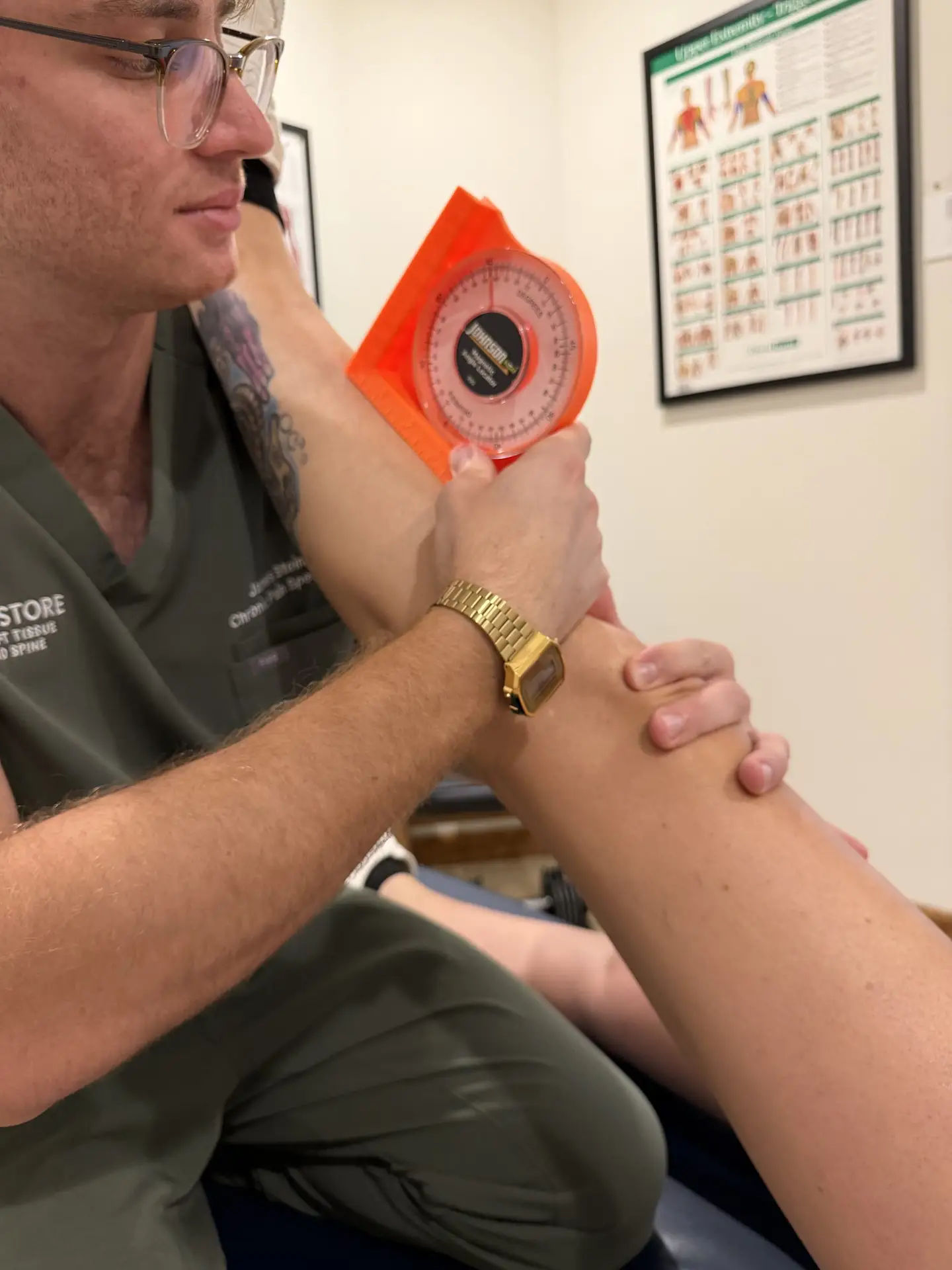
Rather than simply focusing on the painful area, Restore evaluates your movement and tissues to identify whether adhesion or nerve restrictions may be contributing to the problem.